

About Heterotaxy
Missing - Multiplied - Malfunctioning - Malformed - Misplaced
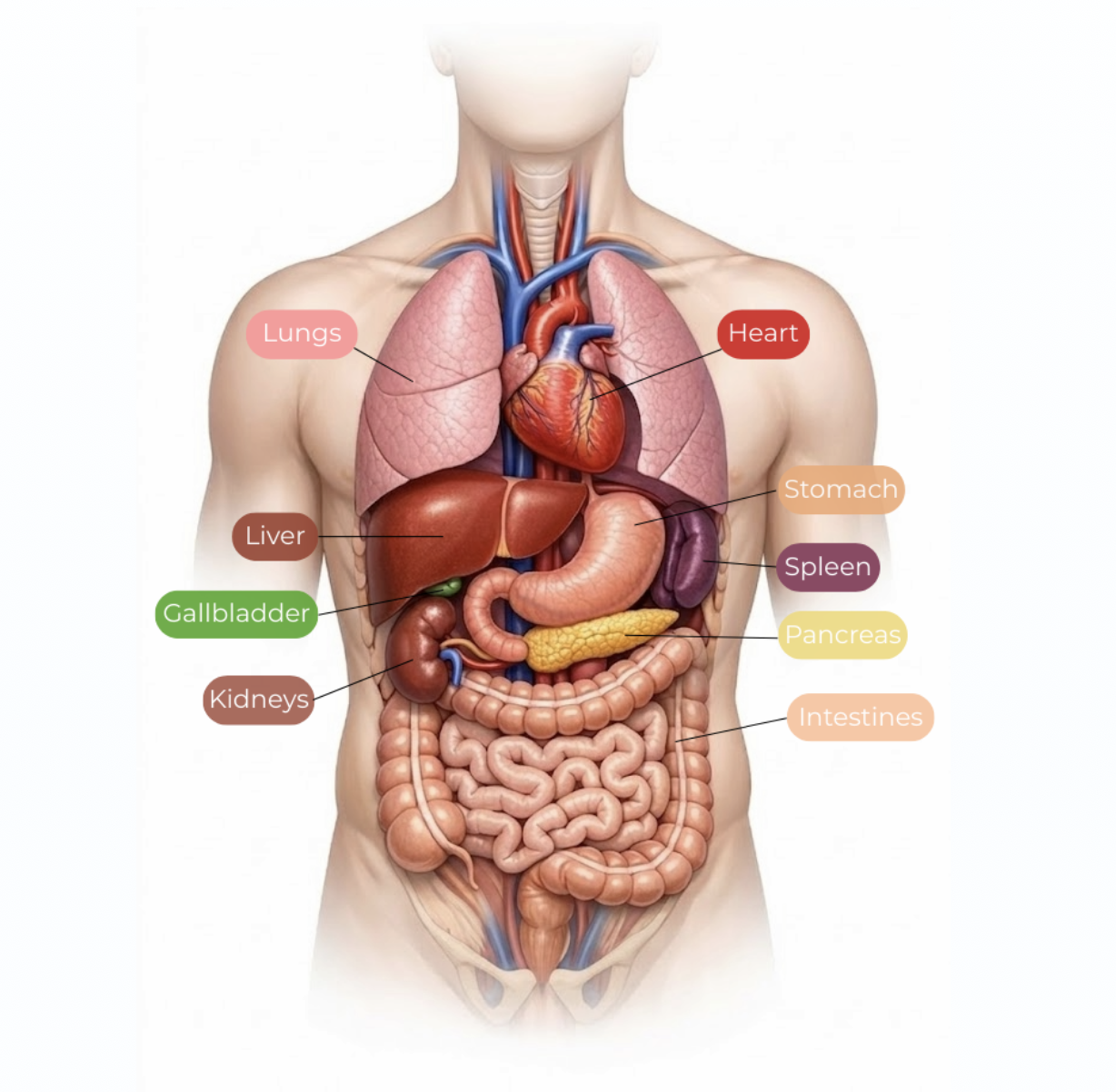
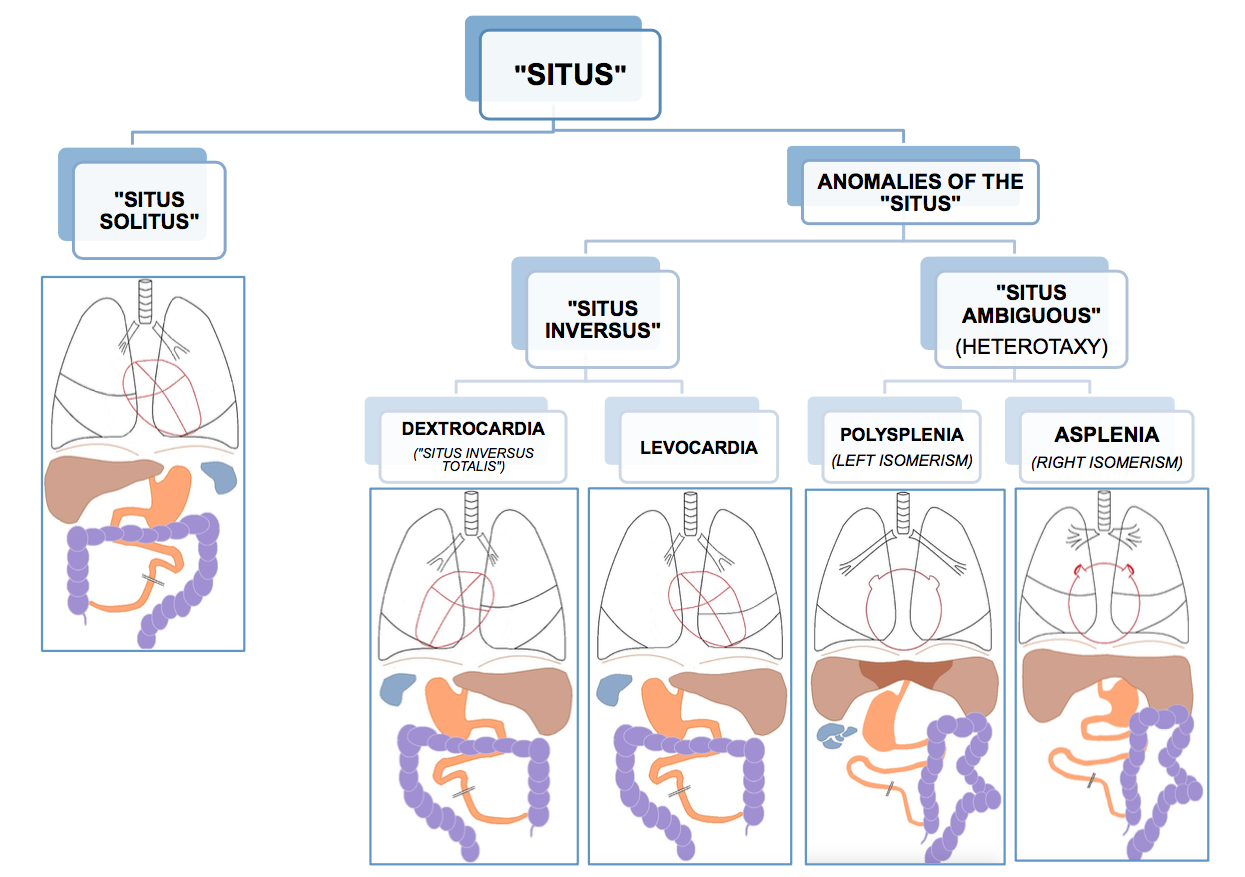
Heterotaxy is a rare congenital condition in which the body’s internal organs develop with abnormal left–right arrangement, leading to variations in the position, structure, and function of organs such as the heart, lungs, spleen, liver, and intestines. Because these differences can affect multiple organ systems, Heterotaxy exists on a spectrum, ranging from mild anatomical variations to complex congenital heart disease and functional challenges like immune differences or intestinal malrotation.
Diagnosis typically involves imaging to understand the individual’s anatomy, and long-term care often requires coordinated, multidisciplinary medical follow-up. While the presentation is unique for each person, understanding the underlying anatomy is key to guiding appropriate evaluation, monitoring, and support.
Where to Start
Defining Heterotaxy
At Facing Heterotaxy Together 2025, Dr. Tal Geva explains what Heterotaxy means, how clinicians currently define and classify it, and why those definitions can still vary. He walks through the basics of how organ arrangement can differ from person to person and highlights the need for clearer, more consistent terminology in the medical community.
Rare but Mighty: Building Community in Isolation
Hear from parents who are walking the road of Heterotaxy in this panel discussion from Facing Heterotaxy Together 2025, where four moms share their journeys to growing community in a journey that can often be so isolating.
Heterotaxy FAQs
-
Heterotaxy occurs in around 1 in every 10,000 births. Exact prevalence is not known as definitions and classification of different variations of Heterotaxy are still being developed. You have about the same chance of finding a four leaf clover as you do of being born with Heterotaxy!
-
Heterotaxy results from disruptions in left–right patterning that occur in early embryonic development. In some cases, genetic factors are involved, though not all individuals have an identifiable genetic cause.
-
Organs potentially involved include the heart, spleen, stomach, liver, lungs, intestines, and major blood vessels, as well as the spine, kidneys and beyond. The specific pattern differs for each person, and it’s difficult to find two people diagnosed with Heterotaxy who have identical anatomy.
-
Heterotaxy itself is not a congenital heart defect (CHD), but it causes them in over 90% of patients. CHDs in Heterotaxy can range from minor to severe, and can include issues with the heart’s structure, function, and/or rhythm.
-
No. Situs inversus is a complete mirror-image arrangement of organs. Heterotaxy is a more complex and variable pattern where organ arrangement may be mixed, ambiguous, or inconsistent.
-
Outcomes vary widely and depend on the individual’s specific anatomy and any associated medical conditions. Many people live into adulthood, particularly with advances in medical care.